Taking a red eye flight is often viewed as a necessary evil for budget-conscious travelers or busy professionals trying to maximize their time. However, in 2026, the economics of air travel have shifted, making these overnight journeys more attractive than ever for those who know how to navigate the cabin environment and the subsequent recovery phase. This guide provides a comprehensive framework for transforming a sleepless night into a productive travel strategy that saves money and adds an extra day to your itinerary.
By the end of this article, you will understand the specific financial benefits of booking overnight flights and possess a scientific approach to achieving deep sleep on plane journeys. We will cover everything from seat selection and gear to a strictly timed post-landing routine that ensures you do not waste your first day at your destination. Whether you are flying JFK-LAX or heading south for a vacation, these tactics are your blueprint for success.
- Save between $150 and $400 compared to peak daytime departures.
- Utilize the 20-minute power nap rule to reset your internal clock.
- Optimize your seating choice to maximize physical comfort and minimize light pollution.
- Implement a landing-day nutrition plan to combat cognitive fog.
The Economic Reality of Red Eye Flights in 2026
The primary driver for booking red eye flights remains the significant cost differential. As airlines like United Airlines and Delta Air Lines optimize their fleet utilization, the late-night slots often feature the lowest fares of the day. For a typical transcontinental route like New York to Los Angeles (JFK-LAX), travelers can expect to find prices that are 20% to 40% lower than mid-morning departures. This price gap allows travelers to allocate more of their budget toward premium accommodations or experiences at their destination.
Beyond the ticket price, there are hidden savings associated with overnight flights. By traveling while you sleep, you effectively eliminate the cost of one night in a hotel. For cities like San Francisco or New York, where average hotel rates in 2026 hover between $250 and $450 per night, this is a substantial financial gain. When you combine the airfare savings with the avoided lodging cost, a single red-eye trip can save a couple over $800 in total travel expenses. You can find these competitive rates by checking flight deals regularly.
Comparing Costs Across Major US Routes
To illustrate the savings, consider the following table which highlights the average price difference for popular domestic routes during the 2026 travel season. These figures represent the typical savings found when booking at least 21 days in advance.
| Route Path | Daytime Average | Red-Eye Average | Potential Savings |
|---|---|---|---|
| JFK to LAX | $480 | $290 | $190 |
| SFO to SEA | $310 | $185 | $125 |
| LAX to JFK | $510 | $320 | $190 |
| EWR to FLL | $295 | $160 | $135 |
As shown, the savings are consistent across various distances. If you are looking for specific regional options, you might explore Atlanta to Washington Flights (ATL-IAD) | Faresterminal for similar late-evening or early-morning transitions. The logic remains the same: flying when others are sleeping is the fastest way to reduce your overhead.
The Science of Sleeping on a Plane
Achieving quality sleep on plane cabins requires more than just a neck pillow; it requires a physiological strategy. The aircraft cabin is a hostile environment for sleep due to low humidity, fluctuating temperatures, and ambient noise levels that often exceed 80 decibels. To counter this, you must control your immediate micro-environment. The goal is to signal to your brain that it is time to produce melatonin despite the unnatural surroundings.
Start by managing your light exposure. The blue light emitted by seatback screens and smartphones suppresses melatonin production. Experts recommend wearing high-quality blue-light-blocking glasses or a contoured sleep mask that puts zero pressure on your eyelids. Additionally, noise-canceling headphones are no longer a luxury but a necessity. By playing brown noise or low-frequency ambient sounds, you can mask the high-pitched whine of the jet engines and the sounds of galley activity.
Selecting the Best Seat for Rest
Your seat choice is the most critical factor in your ability to rest. For overnight flights, the window seat is the undisputed champion. It provides a solid surface to lean against and ensures that you will not be disturbed by seatmates needing to use the restroom. Avoid the last row of any cabin section, as these seats often do not recline and are located near high-traffic areas like lavatories and galleys where light and noise are constant.
Premium Economy: The Sweet Spot
In 2026, many travelers find that the $100 to $250 upgrade to Premium Economy is the best investment for a red-eye. These seats typically offer 5 to 7 inches of additional legroom and a deeper recline. This extra tilt is often the difference between light sleep and reaching the deeper REM cycles necessary for cognitive recovery. If you are unsure which cabin class fits your budget, call 1-800-518-9067 to speak with a specialist who can compare upgrade costs across different carriers.
Your Pre-Flight Preparation Routine
Preparation begins 24 hours before you head to the airport. To successfully navigate red eye flights, you should avoid caffeine after noon on the day of departure. Hydration is equally vital. The cabin air is incredibly dry, which can lead to headaches and fatigue upon landing. Aim to drink at least 16 ounces of water for every three hours of flight time, but try to consume the bulk of it before boarding to minimize mid-flight bathroom breaks.
Dress in breathable, natural layers. Temperature fluctuations on aircraft are notorious; you may board a sweltering cabin only to find it freezing once at cruising altitude. Merino wool is an excellent choice for 2026 travelers because it regulates temperature and resists odors. Wear compression socks to improve circulation and reduce the risk of deep vein thrombosis, especially on longer hauls like New York to Los Angeles.
- Eat a light, protein-rich meal two hours before boarding.
- Avoid alcohol, as it disrupts sleep architecture and dehydrates the body.
- Perform light stretching at the gate to relax your muscles.
- Clear your sinuses with a saline spray to prevent pressure discomfort.
The Landing-Day Recovery Plan
The way you handle the first six hours after landing determines whether your red eye flight was a success or a failure. The most common mistake is heading straight to the hotel for a four-hour nap. This will almost certainly result in insomnia later that night, prolonging your jet lag. Instead, adopt a pro-active recovery stance that focuses on light, movement, and strategic caffeine use.
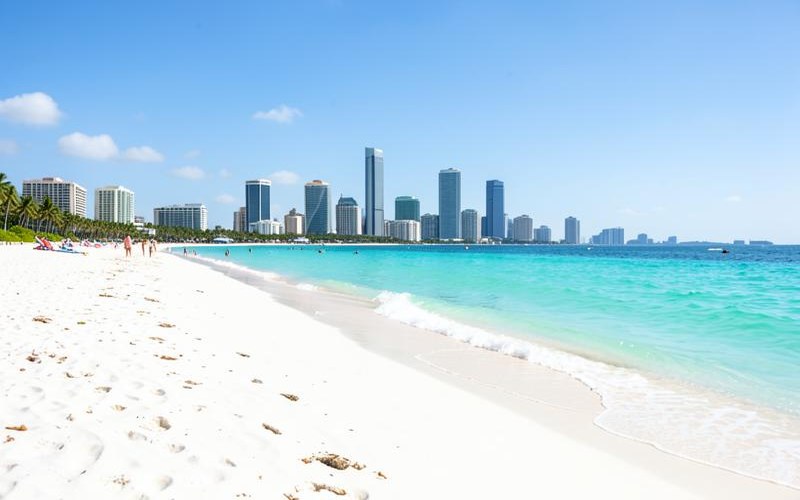
Seek out natural sunlight immediately upon exiting the airport. Sunlight helps reset your circadian rhythm by signaling to your brain that the day has begun. If you are arriving in a sunny locale, such as following the advice in our Best Time to Visit Miami: A Season-by-Season Flight Guide, spend at least 30 minutes outdoors. A brisk walk or a light workout will also boost your endorphins and help you push through the morning slump.
The Strategic Power Nap
If you find your cognitive function declining significantly around mid-day, allow yourself a 20-minute power nap. Set a strict alarm; sleeping longer than 30 minutes can lead to sleep inertia, leaving you feeling more groggy than before. This short burst of rest provides a temporary neurological reset without interfering with your ability to sleep that evening. Complement this with a high-protein lunch and avoid heavy carbohydrates, which can trigger a 'food coma' when combined with travel fatigue.
Common Red-Eye Routes and Timing
Most overnight flights in the US depart between 9:00 PM and 11:59 PM, arriving at their destination between 5:00 AM and 8:00 AM. This timing is designed to feed into the early morning departure banks at major hubs. For instance, travelers on ORD-MIA or DFW-LAS might find late-night options that allow them to start their vacation the moment the sun rises. If you are flying from the West Coast to the East, such as SFO-SEA or LAX-JFK, the tailwinds often shorten the flight, meaning you have even less time to sleep, making your preparation even more vital.
For those looking for specific flight options from major hubs, you can browse all flight routes to see which carriers offer the best timing for your schedule. Often, the 11:00 PM departure is superior to the 9:00 PM departure because it aligns more closely with your natural sleep cycle, even if it means a slightly later arrival.
Bottom Line
Mastering red eye flights is a skill that pays dividends in both time and money. By choosing the right seat, investing in the proper gear, and following a disciplined recovery plan, you can save hundreds of dollars without sacrificing your well-being. The key is to treat the flight not as a lost night, but as a transition period that requires active management. With the right approach, you will land refreshed, energized, and ready to take on your destination from the very first hour.